Overview
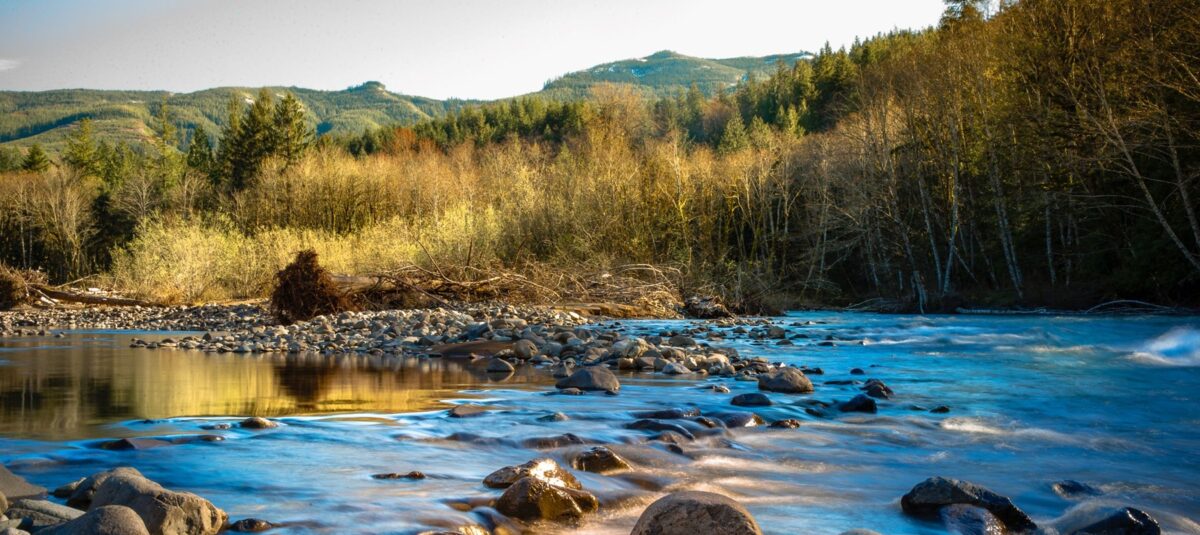
Our annual Water Quality Report is a great way to learn where your drinking water comes from, and how we keep it clean and reliable. The new report shares the latest water quality testing results, which show Tacoma’s drinking water continues to exceed state and federal standards. It also outlines the benefits of our diverse water supply and how we treat your water to keep it safe.
Our annual Water Quality Report is a great way to learn where your drinking water comes from, and how we keep it clean and reliable. The new report shares the latest water quality testing results, which show Tacoma’s drinking water continues to exceed state and federal standards. It also outlines the benefits of our diverse water supply and how we treat your water to keep it safe.
Benefits of a diverse supply
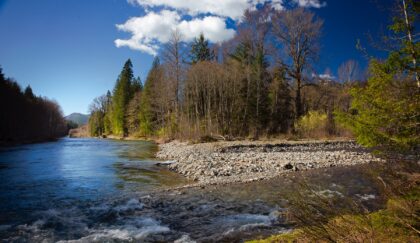 While the Green River provides most of your drinking water, groundwater plays an important supporting role. Weather conditions and seasonal water-use patterns can change, creating variability in how we use our water sources. By having access to both the Green River and groundwater, we maintain a more resilient and reliable water supply.
Groundwater
We own and operate 24 wells in and around Tacoma. In a typical year, groundwater provides about 4% to 11% of total demand, primarily during the summer when demand increases and, in the fall, when surface water is less abundant.
Groundwater is a reliable source because the aquifer naturally recharges during the wet winter season. Our wells are also less affected by drought than river flows, adding important flexibility and stability to our supply.
 Planning and Rehabilitation
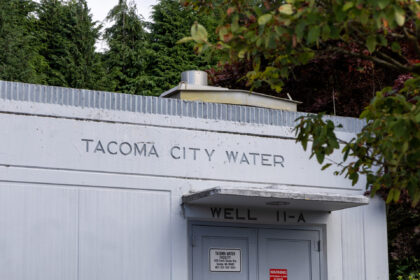
Our planning and modeling show we will need to expand our groundwater sources to meet future demands and strengthen system reliability. We hold groundwater rights that are not fully used today, and our aquifers have the capacity to provide significantly more water.
We have completed a comprehensive evaluation to identify the most beneficial supply projects and the best timing for them. Future well development will align with ongoing efforts to improve water treatment and seismic resiliency.
We recently rebuilt two of our South Tacoma wells and plan to rehabilitate others in the near future. Over time, these improvements, combined with other supply strategies, will strengthen reliability and provide multiple system benefits. By planning ahead, we can responsibly manage water supply for our community and partners.
How We Treat Groundwater to Keep Your Water Safe
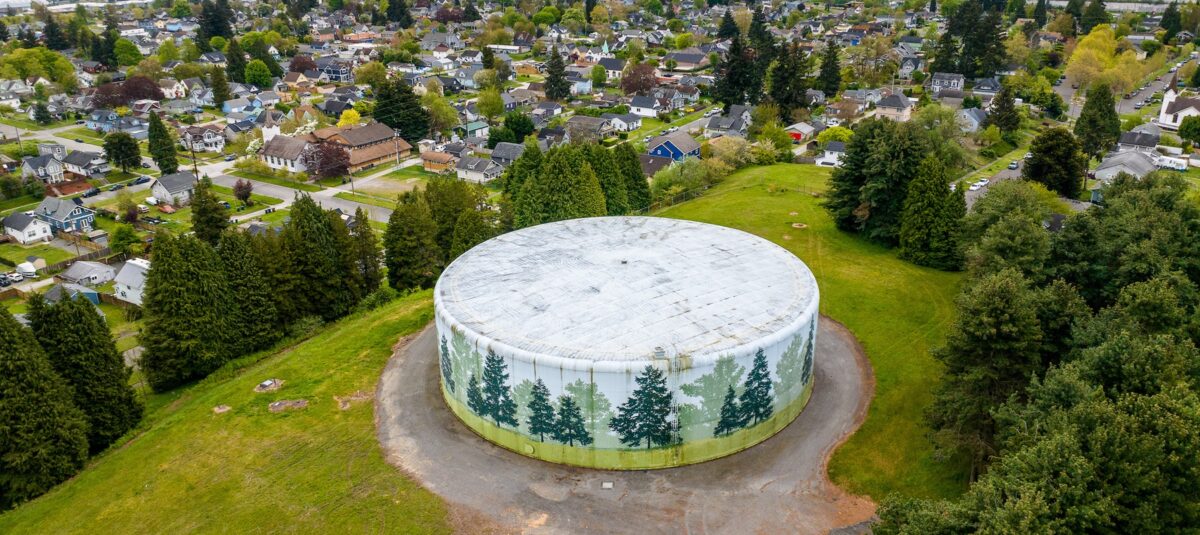
Like the Green River supply, we treat our groundwater to ensure it remains safe and meets all drinking water standards. Both sources go through many of the same treatment processes.
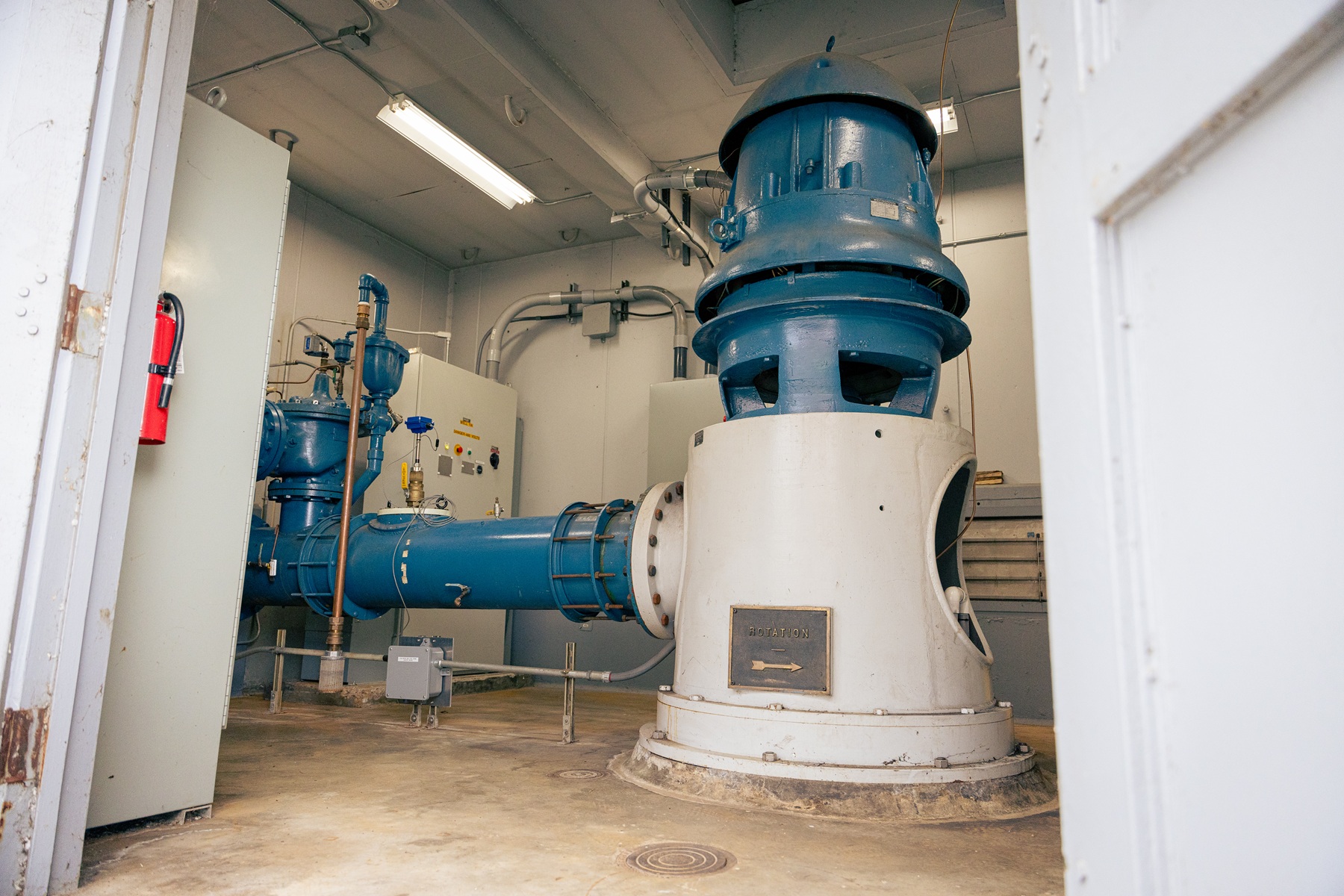
As groundwater moves through layers of rock and soil, it is naturally filtered. After we pump it from the aquifer, water from each well flows to a central treatment facility. There, we add caustic soda to raise the pH – a measure of acidity – so the water is less corrosive to plumbing. We also add fluoride, as required by city ordinance, to support dental health, and disinfect the water with chlorine. Chlorine kills microorganisms that may be present in the water and continues to protect the water as it travels through the distribution system.
We carefully adjust chemical levels and continuously monitor water quality as the groundwater leaves the treatment facility and moves through our system.
Some wells require additional treatment due to historical contamination in parts of the aquifer. At Well 12A, we use air-stripping towers to remove volatile organic compounds. In the future, we will add treatment for per-and polyfluoroalkyl substances (PFAS) in wells that do not meet new federal and state drinking water standards. This will likely include granular activated carbon or ion exchange systems, which filter water through specialized media to remove PFAS. Until then, we operate only wells that ensure compliance with the new standards.
Whether your water comes from the Green River, our groundwater wells, or a blend of both, you can trust that it is fully treated and safe to drink. We are committed to delivering services essential to quality of life.
The Importance of the Unregulated Contaminant Monitoring Rule
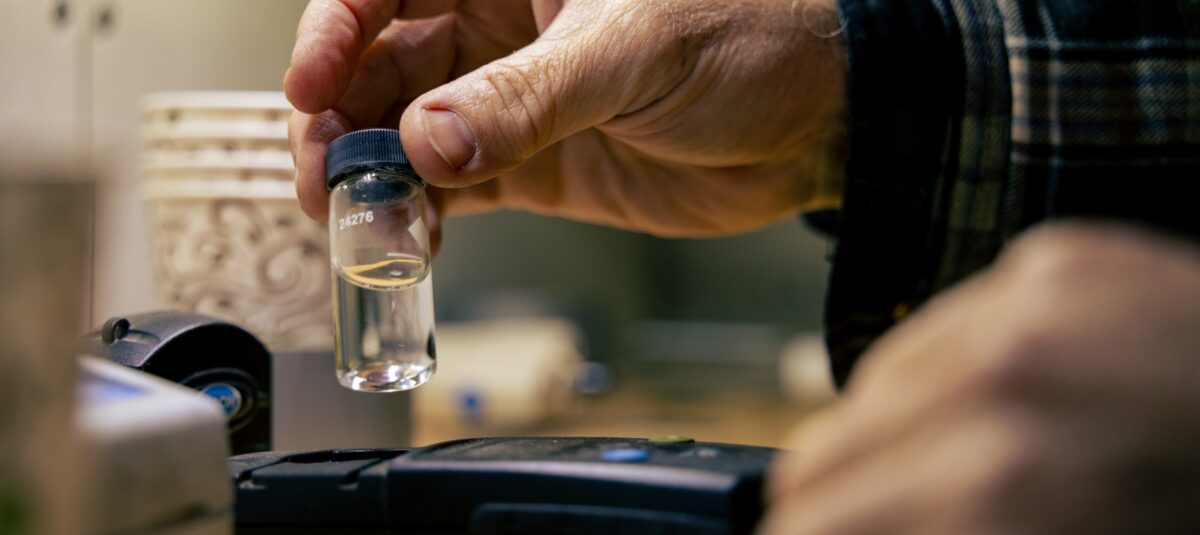
You may wonder how we decide which contaminants to test for in your drinking water. We routinely test for common contaminants such as bacteria, lead and copper, and treatment-related additives like chlorine, fluoride, and pH. We also test for less common contaminants when needed.
We adhere to the Unregulated Contaminant Monitoring Rule (UCMR), which requires us to monitor contaminants that are not yet regulated. This helps determine whether they are present in drinking water and how frequently they occur.
The Environmental Protection Agency (EPA) works with engineers, scientists, physicians, and other health professionals to establish a Contaminant Candidate List (CCL). This is a list of drinking water contaminants known or expected to occur in public water systems that are not yet regulated by the EPA. The EPA reviews the monitoring results and decides whether new regulations are needed.
In making its determination, the EPA considers whether a contaminant:
- Might adversely affect people’s health
- Is present, or likely to occur, at levels that could pose a risk to public health
- Can be reduced through regulation to meaningfully protect public health
This report includes results from the fifth round of the UCMR cycle (UCMR5), which focused on per- and polyfluoroalkyl substances (PFAS) and lithium. We tested and analyzed 29 PFAS compounds and lithium in both our Green River supply and groundwater sources.
We did not detect PFAS or lithium in the Green River supply. In groundwater, we detected two PFAS compounds, both at levels below the state action levels and the proposed maximum contaminant levels. We did not detect lithium in groundwater.
We will continue to monitor for PFAS in 2026 and will report any detections in next year’s Water Quality Report.
Reporting chemicals in your water
Water Quality Table – UCMR5*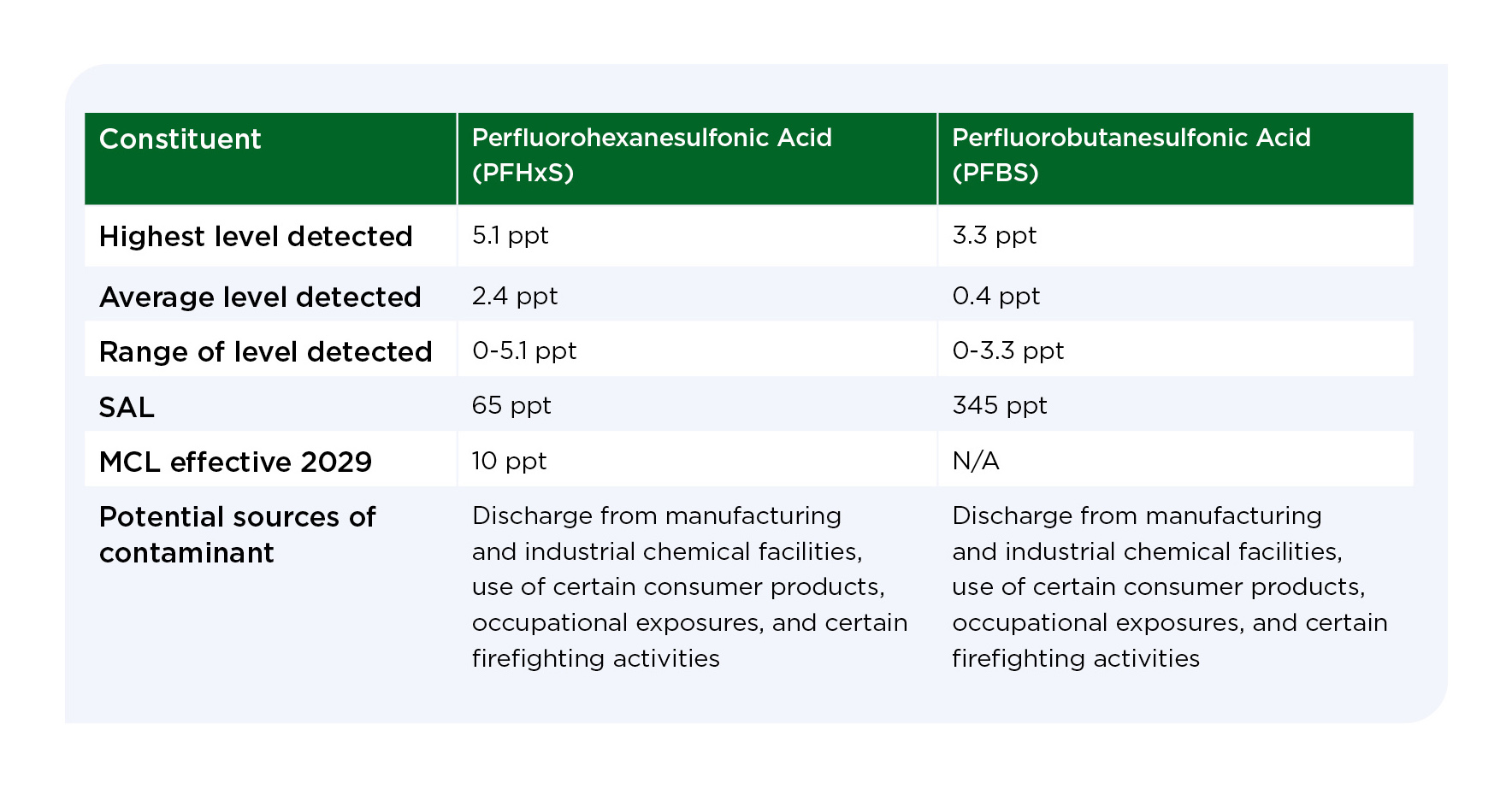
View the detailed accessible description of this table.
Water Quality Table
The water quality table below shows substances we identified at the water source, treatment plant, and in the distribution system during our most recent sampling. The table doesn’t include the other 35 inorganic, 67 volatile organic chemicals and 73 synthetic organic chemicals we test for — including many industrial chemicals, herbicides, and pesticides — but did not find. 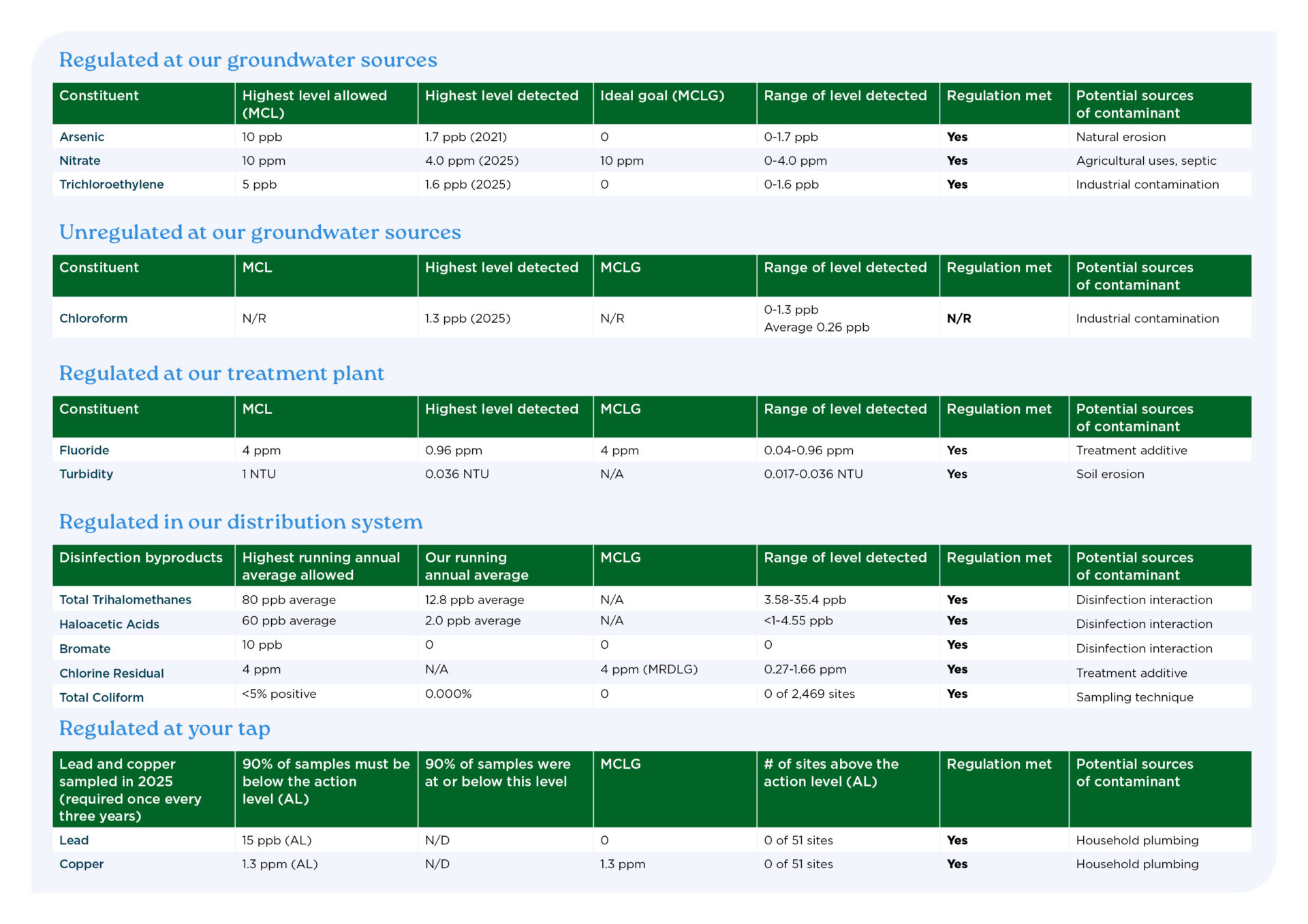
View the detailed accessible description of this table.
Definitions
- Maximum Contaminant Level (MCL): The highest level of a contaminant that is allowed in drinking water. MCLs are set as close to the MCLGs as feasible using the best available technology.
- Maximum Contaminant Level Goal (MCLG): The level of a contaminant in drinking water below for which there is no known or expected risk to health. MCLGs allow for a margin of safety.
- State Action Level (SAL): A level in water expected to be without appreciable health effects over a lifetime of exposure, including in sensitive groups.
- ppm: One part per million.
- ppb: One part per billion.
- ppt: One part per trillion.
- NTU: Nephelometric Turbidity Unit is a standard to measure water clarity.
- AL:Action Level is the concentration which, if exceeded, triggers treatment or other requirements that a water system must follow. Action Levels are reported at the 90th percentile for homes at greatest risk.
- Minimum Reporting Level, also known as Method Reporting Limit (MRL):The smallest amount of a substance we can reliably measure and report in a sample.
- Maximum Residual Disinfectant Level (MRDL):Highest level of a disinfectant allowed in drinking water.
- Maximum Residual Disinfectant Level Goal (MRDLG): The level of a drinking water disinfectant below which there is no known or expected risk to health. MRDLGs do not reflect the benefits of the use of disinfectants to control microbial contaminants.
- N/D: Not Detected (result is below the laboratory minimum detection level).
- N/A: Not Applicable.
- N/R: Not Regulated (not currently subject to EPA drinking water regulations).
- Treatment Technique (TT): A required process intended to reduce the level of a contaminant in drinking water.
Ken Young
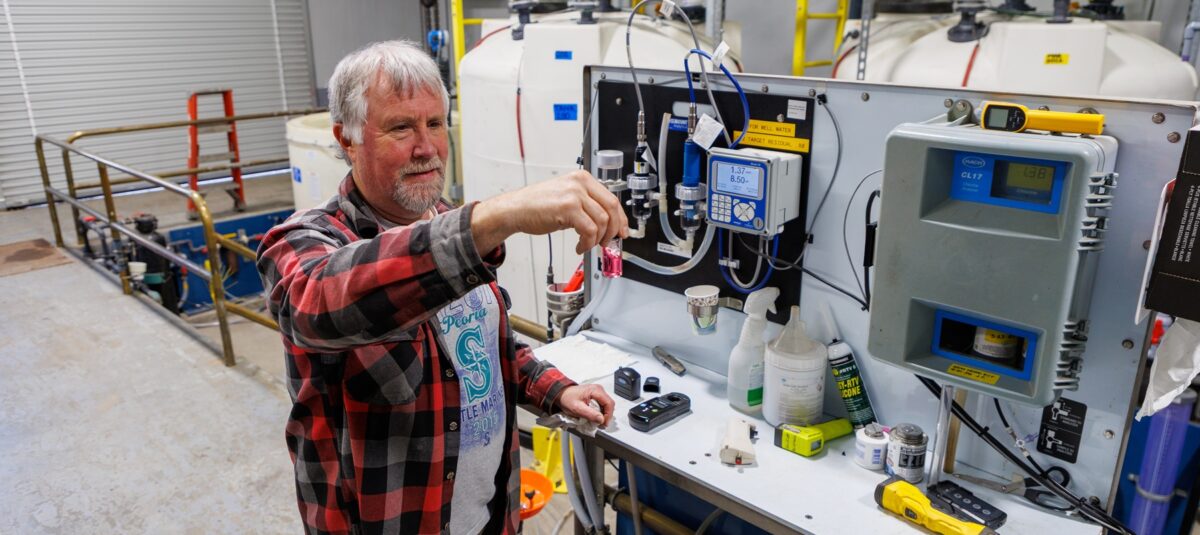
Water Quality Mechanic
I am a water quality mechanic in the Wells Group. I am responsible for keeping our drinking water safe by maintaining and calibrating chlorine, pH, and turbidity meters at our sample stations across the system. These meters continuously monitor water quality where water enters our system, helping us prevent contamination and maintain proper water chemistry.
I also maintain and operate our in-town ground water wells used during periods of high demand or need. We generate a chlorine solution from a saltwater brine and run it through the hood street reservoir to ensure the water is safe.
I also work with the water quality technicians when needed. It takes all of us to keep good, fresh, clean water flowing to your tap.
Gary Fox
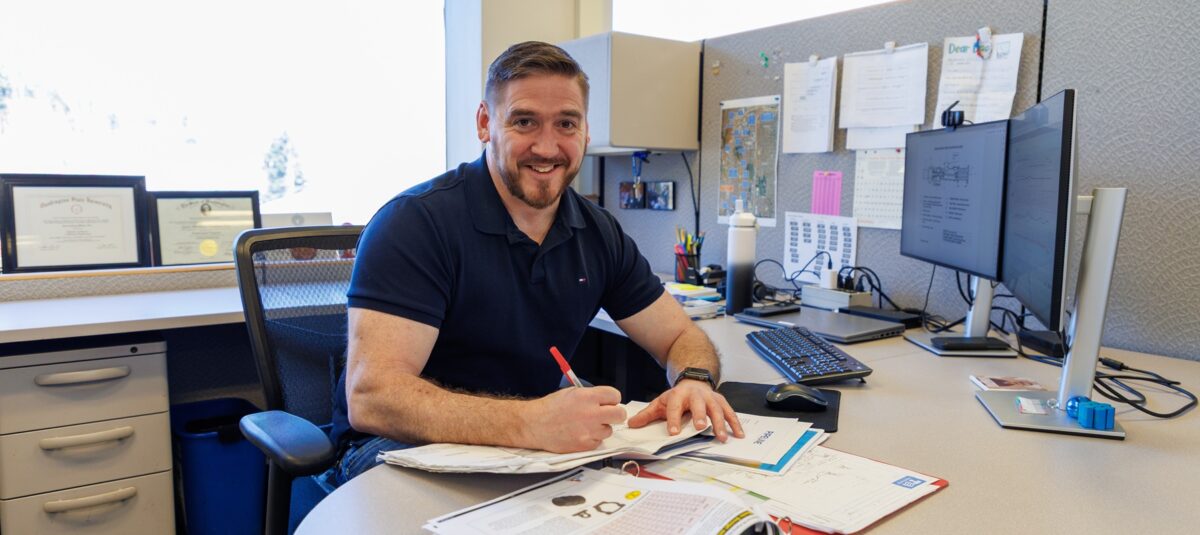
Water Quality Engineer
As a professional engineer on the water quality engineering team, I support operations and maintenance staff by providing engineering expertise for drinking water treatment, water quality, and regulatory compliance. My work focuses on process optimization and troubleshooting, longterm planning, leading studies, and managing projects to ensure operations meet or exceed water quality standards.
My background in chemical engineering directly supports this work and helps ensure our customers receive high-quality water now and in the future. One of my favorite projects was designing and managing the replacement of chemical feed lines at the Green River Filtration Facility last summer. The project required careful planning and close coordination with the contractor and operations and maintenance staff. We completed the work successfully without interrupting daily operations.”
Identifying substances in your water
Tap water and bottled water sources include rivers, lakes, streams, reservoirs, springs, and wells. As water travels over or through the ground, it dissolves naturally occurring minerals and can pick up other substances resulting from the presence of animals or human activity. Those substances may include inorganic material such as salts and metals, synthetic and volatile organic material from industrial processes, storm water runoff and septic systems, and pesticides and herbicides from agriculture and residential uses. To ensure your drinking water is safe, the EPA and the Washington State Board of Health prescribe regulations that limit the number of certain contaminants in public water systems.
Organisms
Cryptosporidium (KRIP-toe-spo-RID-ee-um)
Cryptosporidium is a microscopic organism commonly found in open surface water sources. Swallowing Cryptosporidium can cause diarrhea, fever, and other stomach and abdominal symptoms. Federal and state regulations require us to treat Green River water for Cryptosporidium. We remove any Cryptosporidium that might be present effectively with filtration. We have had no reported instances of Cryptosporidium-related health problems in our service area.
Giardia (GEE-are-DEE-uh)
Giardia lamblia is another microscopic organism commonly found in open-surface waters such as rivers, lakes, and streams. Like other water systems that use open surface water sources, federal and state regulations require us to treat Green River water for Giardia. We kill Giardia effectively with disinfecting chemicals like chlorine and ozone.
Gases
Radon
Radon is a naturally occurring radioactive gas. Breathing radon can cause lung cancer in humans. Ninety-eight percent of detected radon comes from indoor air generally released from soil beneath homes. Radon can release from tap water, but in much smaller quantities – only about one percent of radon exposure comes from drinking water. We test for radon in our groundwater sources. Federal guidelines require drinking water to contain no more than 4,000 picocuries per liter (a picocurie is a measure of radiation). We took 117 samples and tested them between 1992 and 2024. Findings show an average of 291 picocuries per liter. Our largest single test shows 530 picocuries per liter.
Minerals
Lead and Copper
Studies cited by the EPA show swallowing lead or copper can cause health problems, especially in pregnant women and young children. Lead and copper found in drinking water usually come from home plumbing. Some homes have higher levels than other homes. Water with a low pH can cause copper to dissolve directly from pipes into water and lead to dissolve from solder used to join copper pipes.
Federal and state drinking water rules establish “action levels” allowable for lead and copper in water samples collected from homes. At least 90% of samples may have no more than 15 parts per billion (ppb) of lead in one liter of water and no more than 1.3 parts per million (ppm) of copper per liter. Once every three years, we sample at least 50 homes for lead and copper.
We completed the most recent sampling in 2025. Results show our system met action levels for both lead and copper. Although we detected lead in a few homes, all were at levels below the 15 ppb action level. To continue ensuring we meet regulatory requirements, we will continue to monitor and adjust pH levels to reduce corrosion in pipes. We will sample again for lead and copper in 2028.
Pregnant women and young children can be more vulnerable to lead in drinking water than the general population. If you have concerns about lead levels in the water at your home, have your water tested. Running water for two minutes after it sits stagnant in the pipe for a few hours can help clean the tap and reduce the amount of lead and copper in your water. A change in the temperature of water will also tell you when fresh water arrives.
Information on lead in drinking water, testing methods, and steps you can take to minimize exposure is available from the Safe Drinking Water Hotline, 1-800-426-4791 or at EPA.gov/SafeWater/Lead.
Sand and Silt
Because we take our water from the Green River, which, prior to 2015, was an unfiltered water source, pipeline shutdowns and fire flows from hydrants can stir up sand and silt that sits in the bottom of water mains throughout the water supply system. Even though the water is treated, turbid events like these can cause water to appear visually unpleasant, but it remains safe.
Treating your water
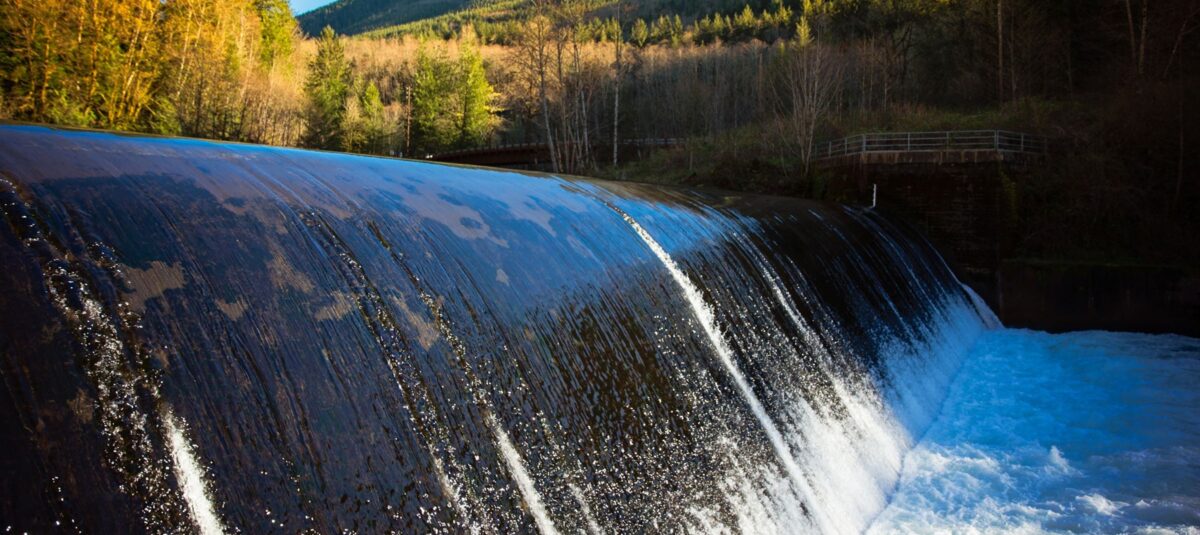
In addition to filtering your water, in 2025 we treated our Green River drinking water supply with chlorine, fluoride, caustic soda, and ozone. Treating water with the chemical disinfectants chlorine and ozone is important to protect your health when water is drawn from a surface supply like the Green River. Placing disinfecting chemicals in water kills germs and microorganisms, making drinking safe.
Fluoride
Tacoma voters approved fluoride treatment in 1988 and 1989 because of the dental health benefits it provides. The Tacoma City Council then enacted an ordinance directing fluoridation of our water supply. We currently fluoridate at a level of 0.7 ppm.
Caustic soda
We treat our Green River water supply with caustic soda to raise the pH (a measurement of acidity) of the water, making it less corrosive on plumbing and reducing the amount of lead and copper that can dissolve into your drinking water.
Ozone
We treat the Green River water supply with ozone, which effectively destroys any undesirable taste and smells that can occur and provides disinfection benefits to help ensure your water remains safe to drink. Ozone gas generates when we expose pure oxygen gas to electricity in an ozone generator. After creating ozone gas, we combine it with water and inject into pipeline reactors at the Green River Filtration Facility. Ozone only lasts for a few minutes in the water and is not present in the water supply when it leaves the treatment site.
Chlorine
Chlorine is our primary disinfection treatment. While it does an excellent job of killing the microorganisms that may be harmful to you, chlorine also reacts with the natural organic material commonly found in surface water sources like lakes, rivers, and streams. This reaction forms compounds called “disinfection byproducts.” We must meet drinking water standards for two groups of disinfection byproduct compounds. Byproduct levels found in water depend primarily on:
- The amount of natural organic material in the water
- The amount of chlorine used to treat the water
- The amount of time it takes water to reach the customer
Byproduct levels vary throughout the year. Byproducts often increase during the warmest months when our water supply has its highest levels of natural organic material and chemical reactions happen faster. We work to minimize byproduct levels and have adjusted portions of our system operations.
Conserving water matters
 Water conservation begins by using only what we need. By conserving water, we support future growth, reduce withdrawals from reservoirs and wells, and leave more water in the rivers for fish and wildlife. When we all take small steps, we protect our water supply and help ensure enough water for our environment and growing community. Together we can make a difference.
We’re now in the final two years of our 10-year Water Conservation Plan, and your participation is more important than ever. From May through October, our goal is to reduce peak summer water use by 6.65% per person from 2018 to 2027. You can read about our plan at MyTPU.org/WaterConservationPlan.
Every household and business that waters outdoors can help conserve water. Water landscapes early in the day, repair leaks promptly, and use smart irrigation controllers or hose timers to prevent overwatering. Letting your lawn go dormant during the summer also helps support our community’s water conservation goal.
Looking to save more water at home and outdoors? Explore conservation tips, customer programs, rebates for smart irrigation controllers, and free outdoor water-saving kits at MyTPU.org/WaterSmart.
Delivering your water
Most of your water comes from the Green River in South King County. The Green River Watershed is a 231-square-mile forested area that serves as a collection point for melting snow and seasonal rainfall in an uninhabited area of the Cascade Mountains between Chinook and Snoqualmie Passes. We own land along the river, which is about 11% of the watershed. Through agreements with other landowners, we limit watershed access and carefully control activities, such as recreation, road maintenance and logging. We also own and operate seven wells on the North Fork of the Green River and take water from them during periods when Green River water is turbid. We supplement the Green River supply with groundwater from more than 20 additional wells to meet peak summer demands. Most are in Tacoma city limits.