

Seasonal Yard Care
Your yard needs different care as the seasons change. A few simple steps can help you keep your yard healthy, use water wisely and get ready for the months ahead.
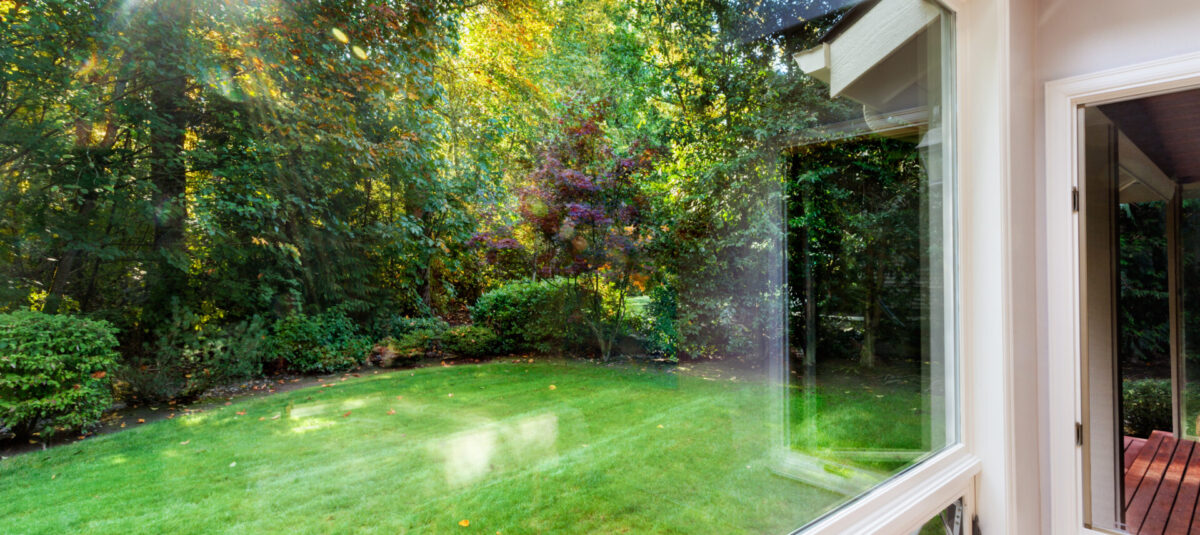
Fall yard care
Fall is a good time to clean up your yard and get it ready for cooler weather. A little work now can also help your lawn and garden stay healthy through winter.
Try these fall yard care tips:
- Remove leaves from your lawn. Leaves block light and trap moisture. Add them to your compost pile or use them as mulch around trees.
- Fertilize your lawn. Fertilizer can help roots grow stronger and better handle summer heat.
- Get your garden ready for winter. Cut back plants, clean up your garden, and protect plants as needed.
- Plant trees and shrubs. Fall gives their roots time to grow before warmer weather returns. You may also qualify for a $30 tree coupon at participating nurseries.
- Slow down your watering. Cooler weather means your yard needs less water.
- Winterize your irrigation system. This can help protect your system during colder weather.
- Install a smart irrigation controller that automatically turns your irrigation system on and off. Smart controllers calculate when and how much to water, based on weather, climate, plants, and soil type.
Smart irrigation
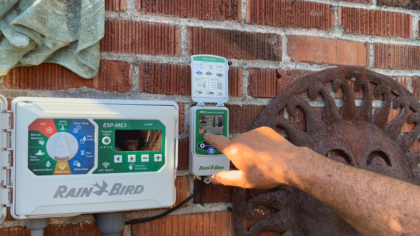
A smart irrigation controller can make watering easier. It uses weather, plant and soil information to decide when and how much to water. Tacoma Water offers rebates on WaterSense-labeled smart irrigation controllers.
Yard care through the seasons
-
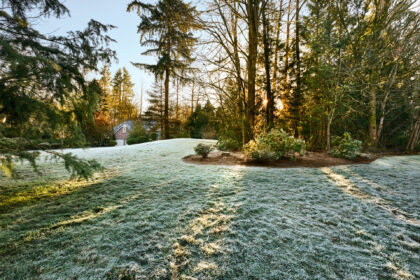 Winter usually means less yard work, but your yard still needs some care. Maintaining a healthy landscape year-round can help lower your water bill and save you money.
Try these winter yard care tips:
- Winterize your irrigation system. This means getting it ready for cold weather by turning it off and draining the water.
- Disconnect your garden hoses from outdoor faucets (hose bibs). Coil each hose and connect the ends before you store it. This helps keep dirt and debris out.
- Shut off and drain outside faucets. Check the outdoor faucets around your home. If a faucet has its own shut-off valve, turn off the water to it. Then open the faucet to drain the water.
- Insulate exposed pipes, valves and hose bibs. Check pipes outdoors and in attics, crawl spaces, basements and garages. You can find pipe insulation at most hardware stores.
- Remove leaves and branches from your lawn. Leaves block sunlight and can harm the grass. Add them to your compost pile or use them as mulch around trees. Pick up fallen branches after storms or windy weather.
- Install a smart irrigation controller that automatically turns your irrigation system on and off. Smart controllers calculate when and how much to water, based on weather, climate, plants, and soil type. We offer a rebate on WaterSense-labeled products.
-
Spring in the Pacific Northwest can be wet or dry. Watch the weather as you get your yard ready for warmer months. Giving plants enough water in spring can help them stay healthy during the dry heat of late summer.
Try these spring yard care tips:

- Add mulch. Mulch helps keep soil cool and moist. It can also help control weeds that compete with your plants for water. Choose the type of mulch that works best for your yard.
- Add compost to your lawn and garden. Spring is a good time to add nutrients to your soil. You can use a local compost product such as TAGRO, short for Tacoma Grow. TAGRO products help add nutrients and organic matter to soil.
- Check your sprinkler system. Look for leaks, clogged sprinkler heads and water spraying where you don’t need it. Puddles may be a sign of a leak or a sprinkler head that needs adjusting.
- Wait to turn on your irrigation system until you need it. You may not need to start watering until the first dry week. Giving plants enough water in spring can help them handle fewer, deeper waterings during summer.
-
During summer, our community uses about 60% more water, mostly for outdoor watering. Overwatering can waste about half of the water used outdoors. You can use less water and still keep a healthy, beautiful yard.
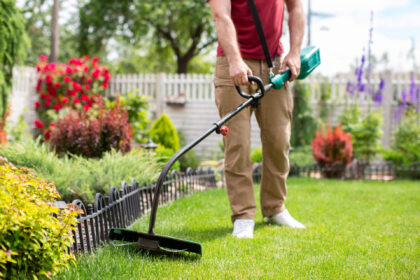
Try these summer yard care tips:
- Water early in the day. Less water evaporates during the cooler part of the day.
- Avoid overwatering. Most lawns need only 1 inch of water per week to stay green.
- Let your lawn “go golden” if that works for you. You can water it once a month. A dormant lawn stays alive and turns green again in the fall.
- Choose the right place for each plant. Think about how much sun or shade each plant needs.
- Group plants with similar water needs. This makes it easier to give them the right amount of water.
- Choose native plants. Native plants grow well in our region’s climate.